
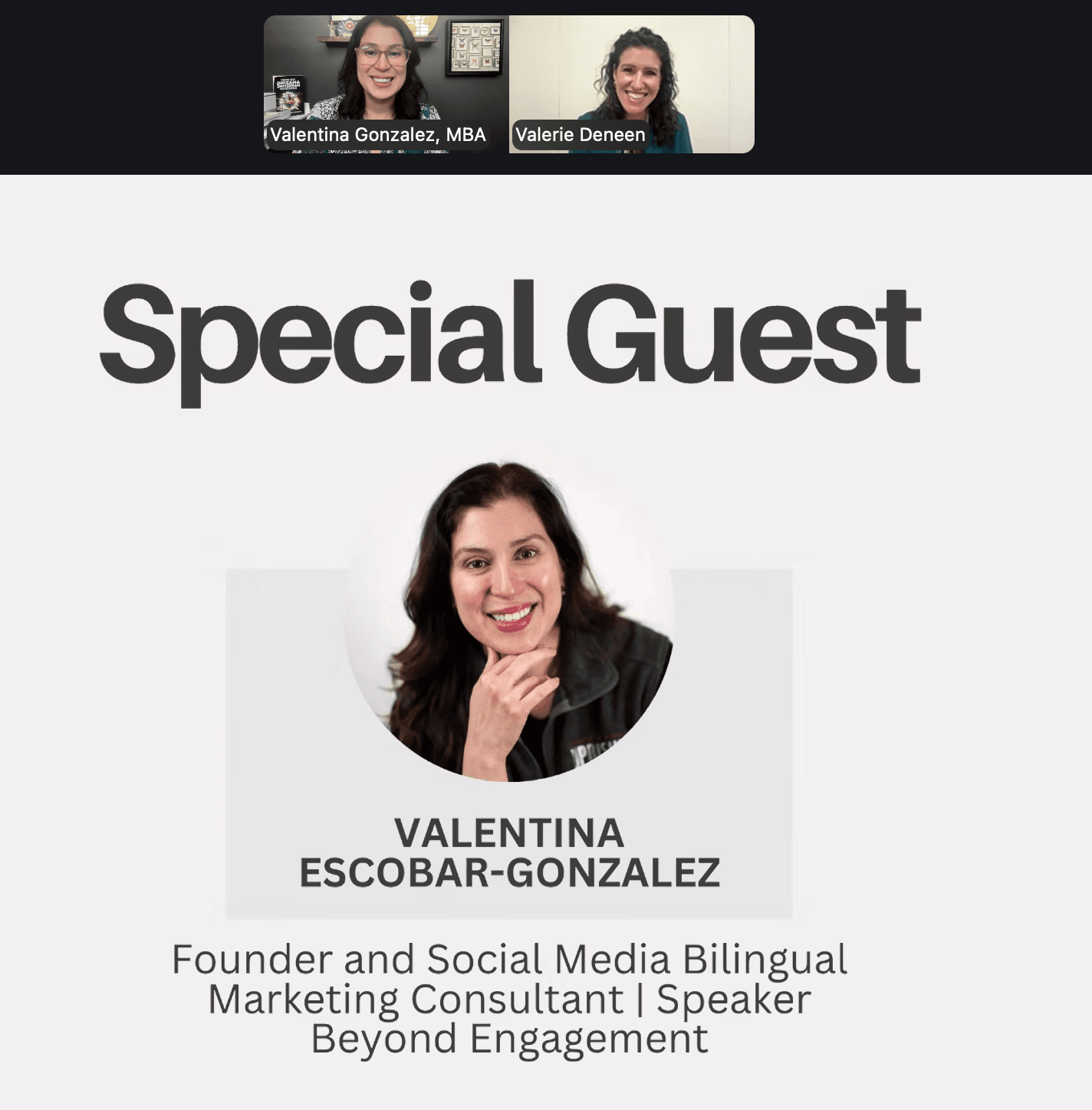
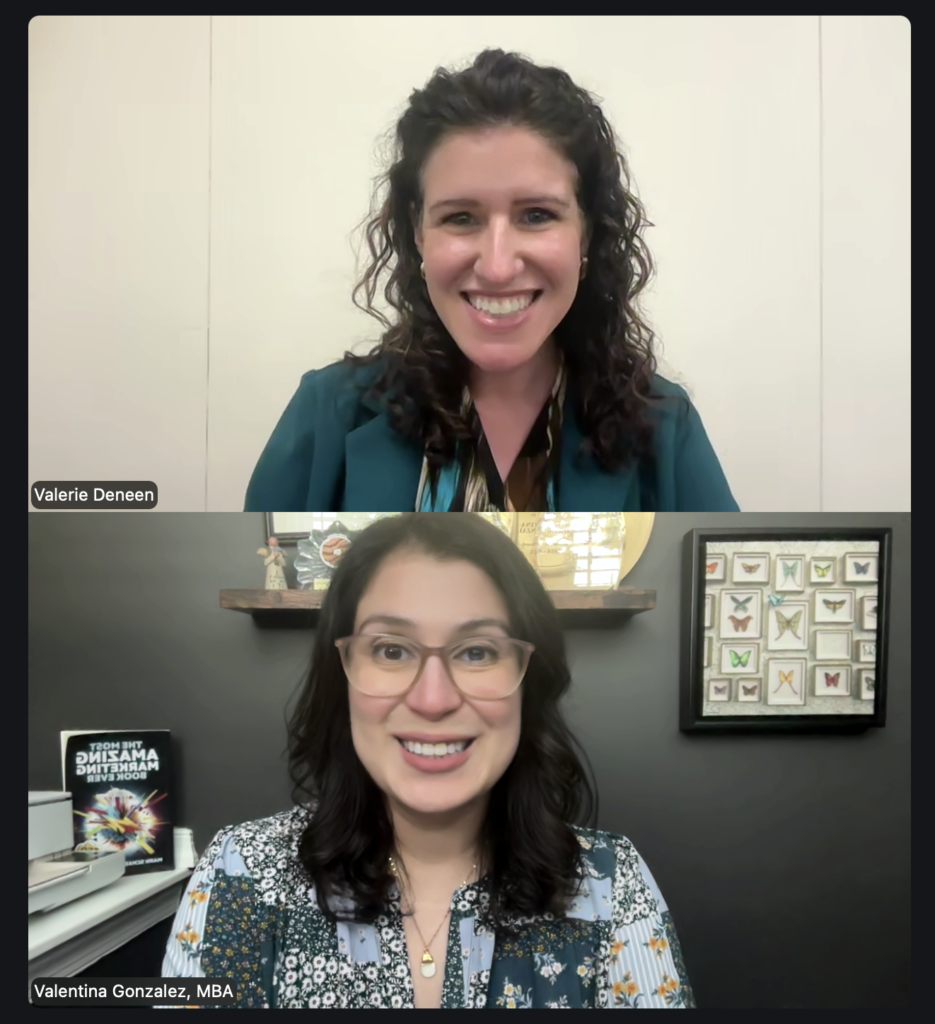
I recently had the opportunity to virtually speak to a Persuasion Communication class at Kutztown University, and throughout the conversation I kept coming back to one question: what is going to separate you from the person next to you?
For these students, that might literally mean the person graduating beside them with the exact same degree. For a professional looking for their next opportunity, it could be everyone else applying for the same position. For a business owner, it might be the competitor offering almost the exact same service. Before you continue reading, I must share that I recorded our discussion and stories from the virtual classroom and submitted it to ChatGPT and this was written with help from ChatGPT for clarity and flow.
Qualifications matter, of course. Your degree matters. Your resume matters. Your experience matters. But those things alone do not necessarily make people remember you.
Being qualified gets you into the conversation. Being memorable is what can keep you there.
One of the biggest things we talked about was the idea of leading with value. The day before speaking to the class, I attended an event where several major organizations were looking to connect with small businesses and potential vendors. I brought a friend with me who is a physicist by trade and now owns a business with an incredible cleaning product. She was not completely comfortable networking, so we went booth to booth together and talked to people.
What was interesting was that I was not walking around thinking, “Who here needs to hire me?” I was thinking about who these companies were trying to meet, what they needed, whether my friend could help them, and whether I knew someone else I could connect them to.
That mindset completely changes networking.
If you walk into every room only thinking about what you are going to get, people can usually feel it. Instead, try asking yourself what you can do for the person standing in front of you. They may never become your client. They may never hire you. But they could become an advocate, a connector, a referral source or simply someone who remembers you when the right opportunity comes along.
Not every relationship needs to immediately turn into business to have value.
We also talked quite a bit about the difference between getting attention and actually connecting with someone, especially online. This is where I think people can get distracted by vanity metrics. Anyone can scroll through LinkedIn and hit the like button. Like, like, like, keep scrolling.
I pay much more attention when someone takes the time to leave a thoughtful comment, send me a direct message, share something I posted or tell me later that something I said helped them. That tells me the content actually made an impact.
Sometimes the most valuable activity around your content is not even visible publicly. Someone may never leave a comment, but they might send your post to a coworker. Someone may see your content for months without engaging and then, six months later, an opportunity comes up and they think of you.
You are not always marketing for the opportunity that exists today. Sometimes you are building familiarity for an opportunity that does not exist yet.
That is also why I encouraged the students to give people more reasons to remember them. When I meet students, I do not just want to know their major. If you tell me you are studying marketing, that is a starting point. What else should I know about you? What are you passionate about? Do you golf? Do you run? Are you involved in a club? Do you volunteer? What are you reading? What makes you different from the other people graduating with the same degree?
Those details give someone something to grab onto in a conversation. They help people build rapport with you and they make you more human.
Since moving to Pennsylvania, one of my easiest conversation starters has been food. I can simply tell someone I am new to the area and ask where I should eat. Suddenly everyone has an opinion. One person loves a restaurant. Someone else tells me not to go there. Another person gives me three other places I absolutely have to try.
That is connection. It does not always have to start with a perfect elevator pitch. Sometimes it starts with curiosity.
I also admitted something to the class that might surprise people who know me. I am an extrovert, and I can still feel nervous before walking into a networking event. I can feel it while I am driving there, parking the car and walking through the door.
I just go anyway.
One of the ways I push through that discomfort is by thinking about the end goal. Maybe someone wants an internship, a new job, a house, a trip or even a dog after graduation. Whatever that goal is, there are probably several uncomfortable steps between where you are now and where you want to be.
Networking may be one of those steps. Introducing yourself might be one of those steps. Following up with someone might be one of those steps.
Sometimes the life you want is sitting on the other side of a conversation you are nervous to start.
And if you are someone who really struggles with networking, use the buddy system. Bring a friend. You do not have to walk into every room by yourself.
Another important point we discussed was that networking is not about meeting every person in the room. I would much rather leave an event having had one or two meaningful conversations than collect 25 business cards from people I barely remember.
The deeper part of networking happens after the event anyway.
After the event I attended before speaking to this class, I came home with business cards, pictures of name badges and information from the people I met. I spent about an hour following up with them one by one.
That step matters more than people realize.
Meeting someone is step one. Following up is where the relationship starts.
The same thing applies when there is a specific person or company you really want to connect with. Let’s say you desperately want to work for a particular organization. I would not recommend immediately messaging someone and asking if they have internships or job openings. Everyone else is doing that.
Do your homework first. Look at the person’s LinkedIn profile. Read their About section. Look at what they are posting. Pay attention to where they went to school, what they care about and what they are talking about professionally. Then start engaging.
Leave thoughtful comments. Follow their work. Eventually, you might send a private message, ask a question about their experience or invite them to coffee. Relationships take time, and that is okay.
One of the most practical assignments I gave the students was also one of the simplest. Once your LinkedIn profile is complete, start becoming more intentional with your commenting. Make sure you have a strong photo, a filled-out About section and enough information on your profile that someone can understand who you are and what you are interested in.
Then comment on other people’s content, but do not leave what I jokingly call “sissy comments.” Do not just write “Congratulations,” “Great post” or “Happy anniversary.” Add something. Share your perspective. Ask a thoughtful question. Explain why something resonated with you.
You do not have to become a full-time content creator to become more visible. Sometimes becoming part of other people’s conversations is the best place to begin.
We also talked about the importance of using the resources already around you. College students have access to career services, professional headshots, networking events, student organizations, professional associations, guest speakers, workshops, portfolio reviews, certifications and volunteer opportunities. Some of those same services can cost hundreds of dollars once you leave school.
And this lesson does not only apply to students. Professionals and business owners should ask themselves the same question. What resources already exist around me that I am not using? Is there a Chamber of Commerce event I could attend? A workshop? A professional organization? A volunteer opportunity? A local group connected to something I genuinely care about?
You do not always have to network in a room labeled “networking event.” Some of the strongest professional relationships can start because two people care about the same organization, hobby, cause or community.
Ultimately, everything we discussed came back to differentiation.
Your resume matters. Your education matters. Your experience matters. Your business matters. But so does the way you make people feel, the questions you ask, your ability to listen, your willingness to follow up and the value you bring before asking for something in return.
Someone else probably has qualifications that look very similar to yours.
So the real question is not only, “Am I qualified?”
It is: “What am I doing that makes me the person they remember?”
Whether you’re looking for your next career opportunity, trying to grow your business or simply want to become more visible in your industry, you don’t need to become the loudest person in the room. You need to be intentional about how you show up, how you build relationships and how you stay top of mind. If you’re ready to strengthen your digital presence and create a strategy that actually feels like you, I work one-on-one with professionals and business owners to help you do exactly that.
Because getting seen is great. Getting remembered is even better.
See my most recent blog post here:
- 3 AI Prompts for Instagram Marketing: Lessons from the 2026 Pennsylvania Latino Convention
- When You’re Not in the Room, Are You Still in the Room? Building Visibility Through Relationships
- Your Degree, Resume or Business Isn’t Enough: How to Become Someone People Remember
- Starting Over at 40: What Rebuilding My Business in Pennsylvania Taught Me
- Your Website Isn’t Your First Impression Anymore. You Are.