Sometimes the best business lessons show up when you’re not looking for them.
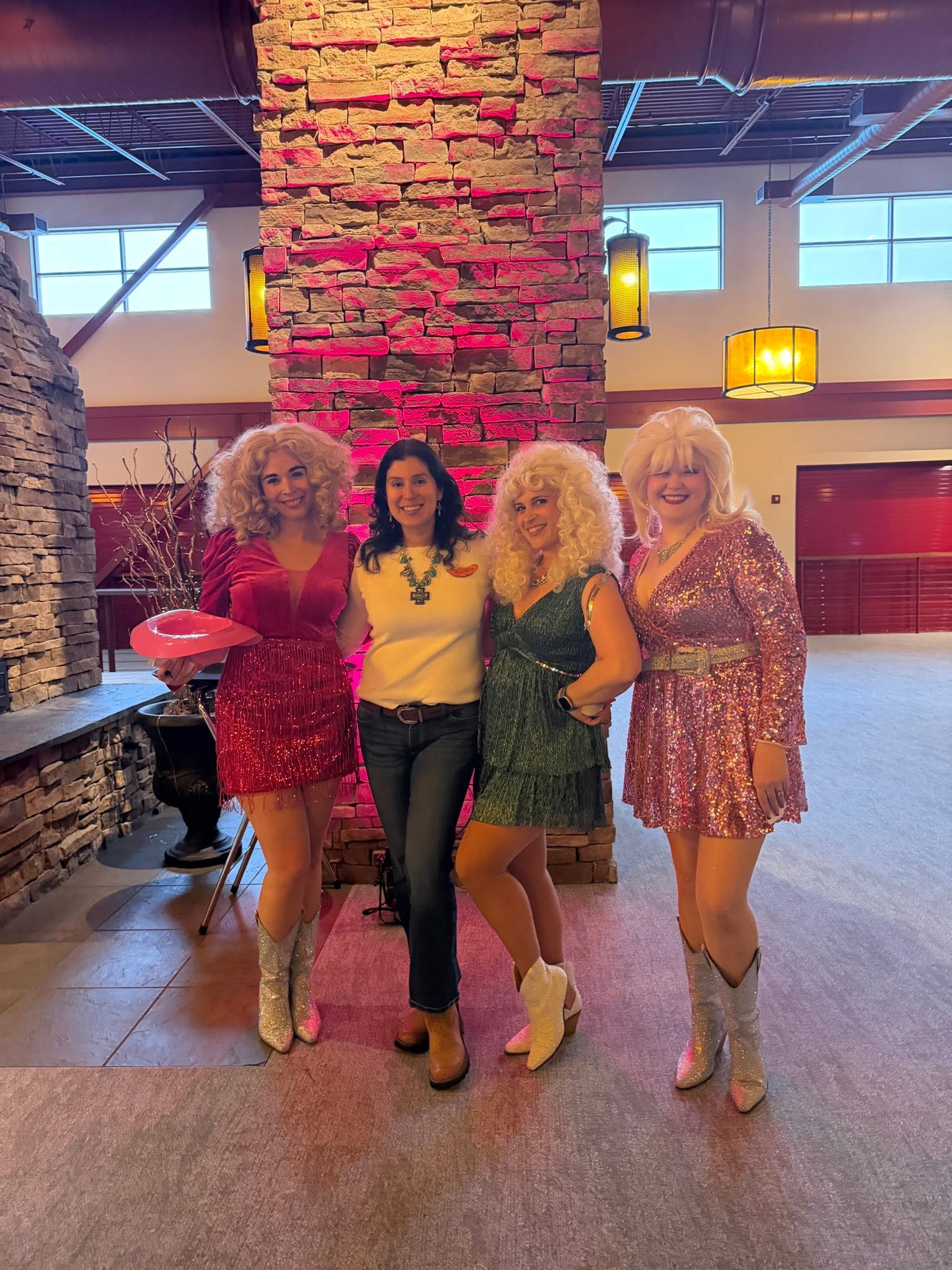
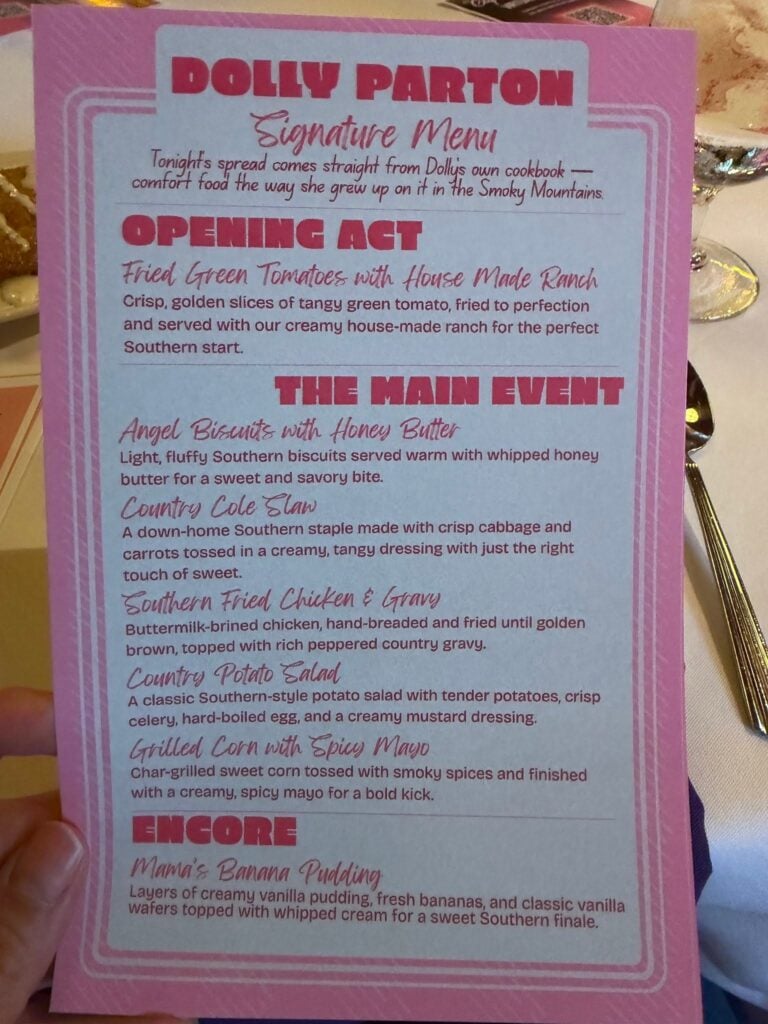
A few weeks ago, I went to a Dolly Parton tribute dinner show at Bear Creek Mountain Resort. Three talented performers spent the evening singing, joking with the audience, hosting trivia, and making everyone laugh. They looked so much like Dolly that, of course, I had to stop and take a picture with them.
It was one of those nights where everyone was smiling.
Driving home, I expected to be replaying the songs in my head.
Instead, I kept thinking about Dolly.
That surprised me.
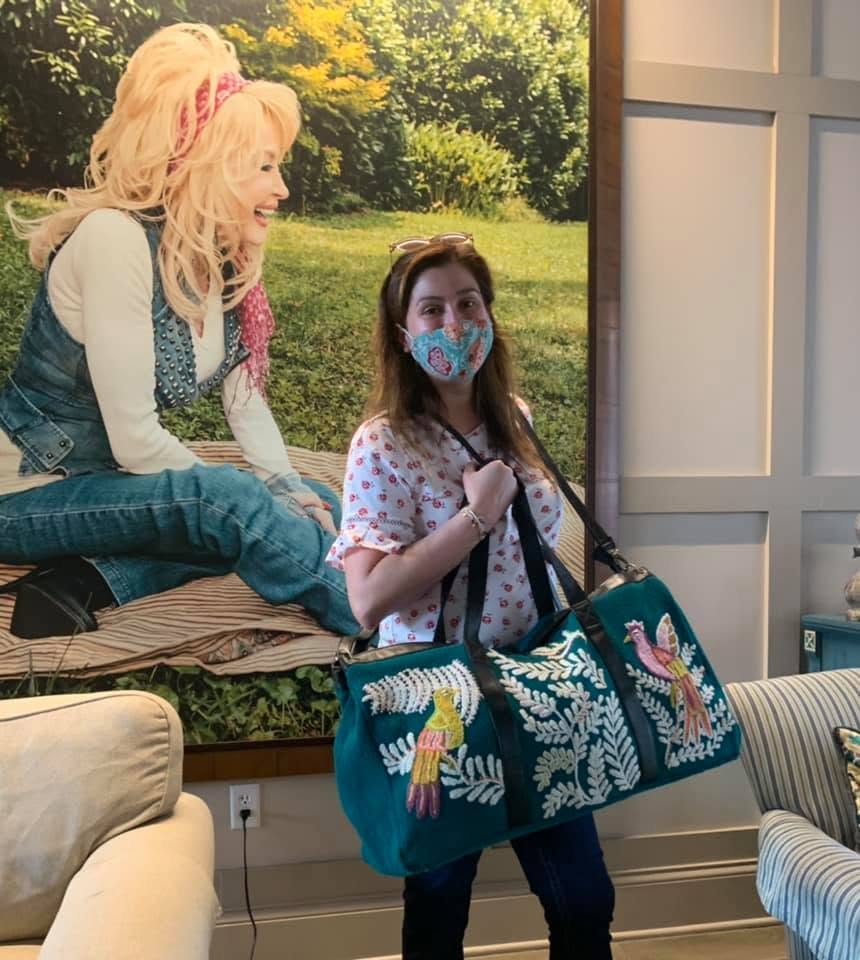
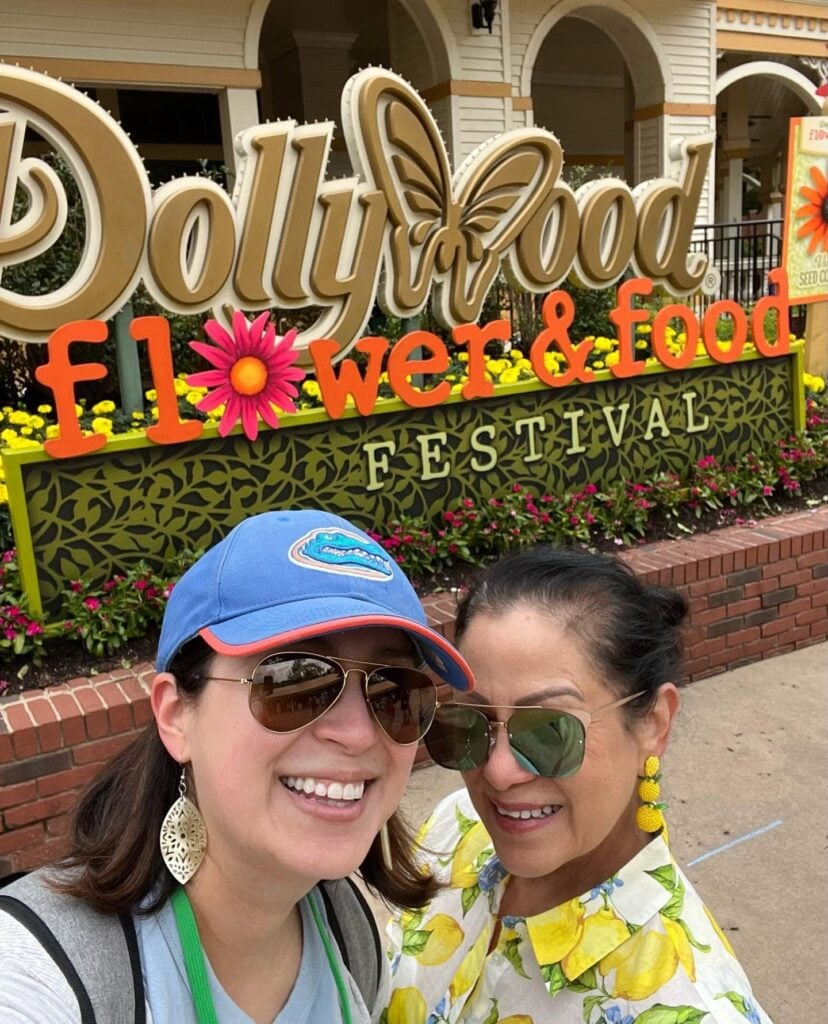
As a former Dollywood season pass holder when I lived in Tennessee, Dolly has always been part of some really special memories. Even now, when I visit other theme parks, I catch myself comparing them to Dollywood. There was always something different about the experience. It wasn’t flashy. It felt genuine. You felt welcomed from the moment you walked through the gates.
The more I thought about it, the more I realized I wasn’t remembering Dolly because of the sequins or the big hair.
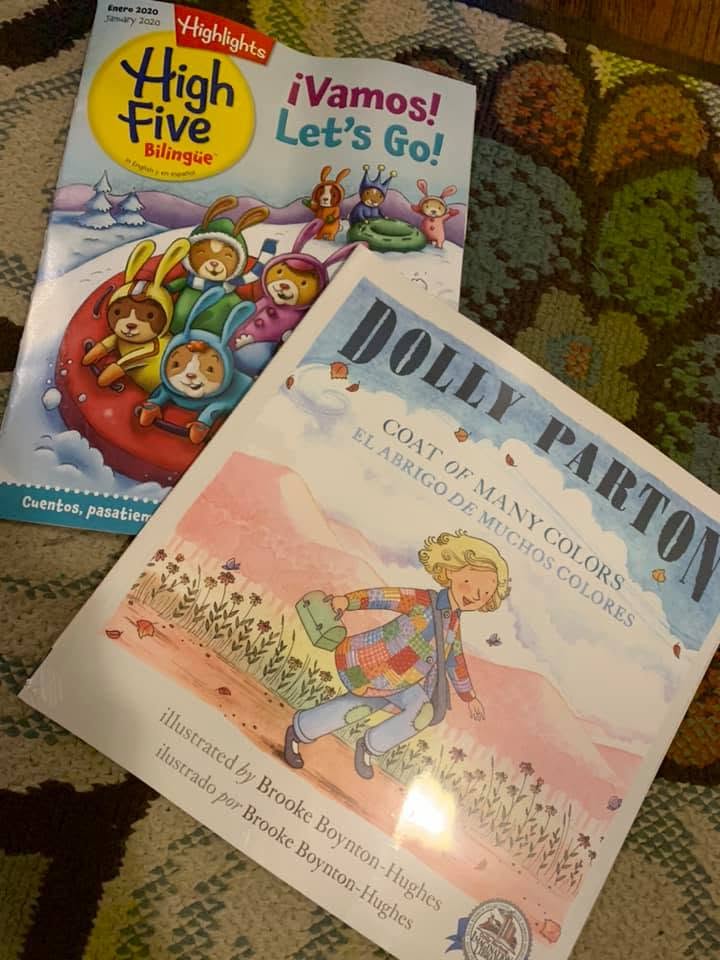
I was thinking about the Imagination Library.
If you’re not familiar with it, Dolly created a program that mails free books to children every month from birth until they begin school. Millions of children have received books because one person decided reading should be available to every child.
That’s what came to mind first.
Not a song.
Not a concert.
Not a television appearance.
Her generosity.
That made me ask myself a question.
What do people remember when they think about us?
Working with nonprofits, business owners, and community leaders over the years, I’ve noticed something.
Some of the most incredible organizations are doing work that deserves far more attention than it receives.
I’ve seen it while volunteering with the Junior League of Lehigh Valley, coaching Girls on the Run, serving on community committees, and attending Chamber events. I’ve met people who quietly give countless hours to making our communities better.
Most people will never know their names.
A few months ago, I attended the Family Promise of the Lehigh Valley gala.
Before that evening, I honestly didn’t know much about the organization.
Then a mother stood on stage with her two daughters.
She shared what life looked like before Family Promise stepped in to help. As she became emotional, one of her daughters gently reached over and wiped away the tears running down her mother’s face.
I still think about that moment.
I couldn’t tell you what was served for dinner.
I couldn’t tell you what the centerpieces looked like.
I remember that family.
That’s the kind of story people carry with them.
Sometimes I think we make branding more complicated than it needs to be.
Business owners worry about posting every day.
Organizations worry about followers.
Nonprofits worry that they don’t have enough money for marketing.
Those things matter, but they aren’t usually what makes someone memorable.
People remember how you made them feel.
They remember the volunteer who welcomed them.
They remember the family whose life changed because someone donated.
They remember the story that sounded a little like their own.
That’s why I believe storytelling matters so much.
Especially now.
Artificial intelligence can help us write faster.
It can’t replace the moments we’ve actually lived.
No one can tell your story better than you can.
As I drove home that night, I realized I was asking myself the same question I often ask my clients.
What do I want to be known for?
The answer wasn’t social media.
It wasn’t LinkedIn.
It wasn’t marketing.
I’d rather people remember that I cared about my community.
That I volunteered.
That I helped organizations share stories people needed to hear.
That I connected people.
Those things matter to me far more than being known as a social media consultant.
Maybe that’s the lesson I took home from Dolly Parton.
Long after the music fades, people remember how you made them feel.
So here’s the question I’ve been asking myself ever since.
When people think about you or your organization, what’s the first story that comes to mind?
If you don’t know the answer yet, maybe that’s the story worth telling next.
Visibility has never been the end goal for me.
Helping people feel seen, helping organizations tell meaningful stories, and helping communities connect with one another has always mattered more.
If that’s the kind of visibility you’re looking to build, I’d love to connect.


